
Silent Taunts and Anonymous Notes
Protecting Your Autistic Child from Subtle Bullying.

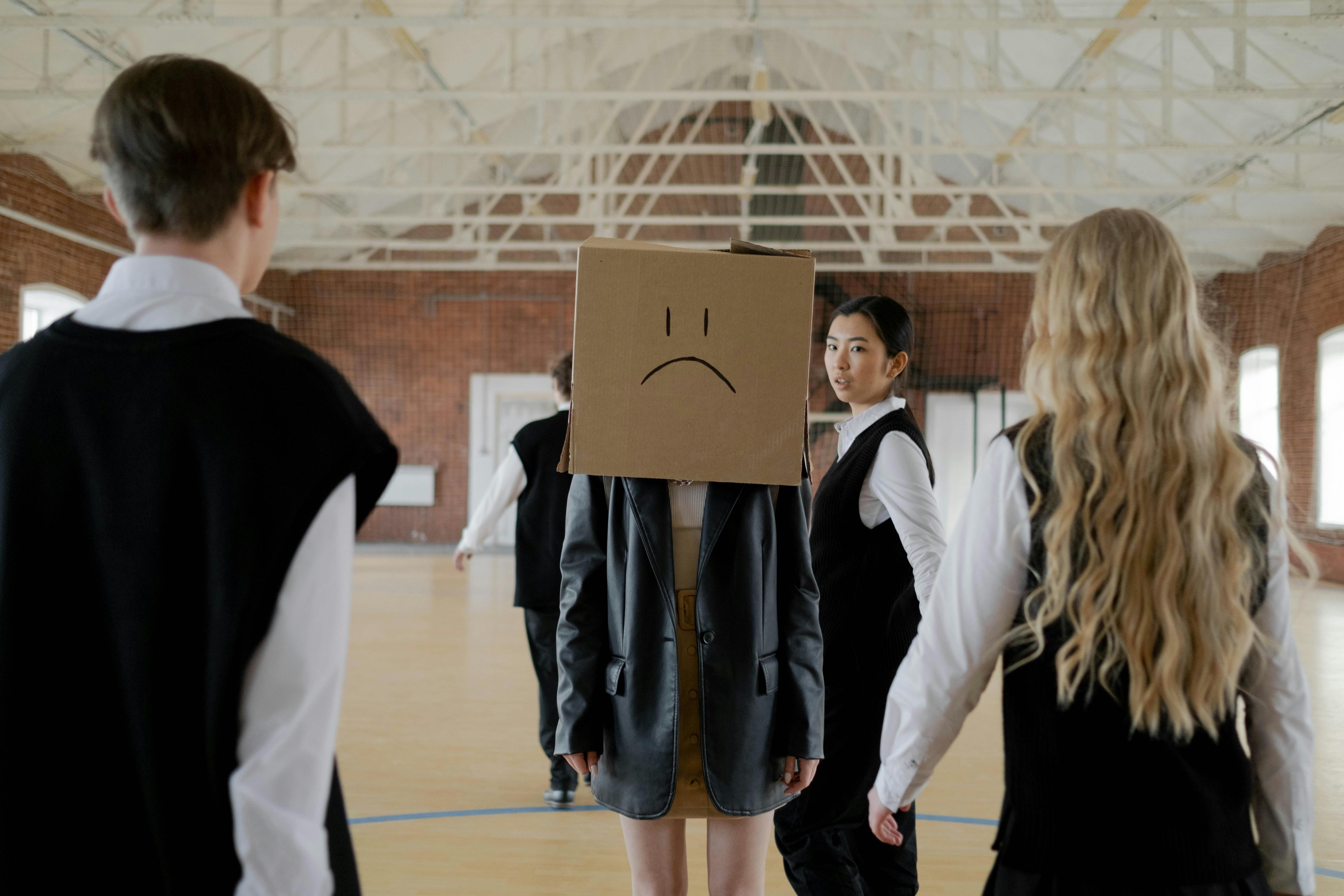
When my nine-year-old daughter came home from school yesterday, she told me about a letter she had found in her tray. It was anonymous, cruel, and mocking. The words targeted something that brings her joy—her love of pretending to be an animal. Animals are her special interest, a fundamental part of how she expresses herself and finds comfort in a world that often feels overwhelming. The letter stated that they (the anonymous writer) haven’t played with my daughter recently because she always wants to be an animal in their games.
My first instinct was pure rage. How dare anyone make my baby feel bad about who she is? But I knew that my response needed to be measured for her sake. As much as I wanted to storm into the school demanding answers, I knew that what she needed most was for me to help her manage this situation in a way that would empower her, not make her feel more vulnerable.
The Reality of Subtle Bullying
Children can be unkind, and little girls, in particular, can wield exclusion and mockery like a weapon. Autistic children are especially vulnerable. They are often targeted for the very things that make them unique—their special interests, their way of communicating, their deep emotions. Unlike overt bullying, which is easier to call out, subtle bullying can be much harder to prove. It can manifest as exclusion, whispered jokes, or anonymous notes left in trays.
Statistics paint a stark reality for neurodivergent children. A 2020 study by the Anti-Bullying Alliance found that 75% of autistic children reported being bullied at school, compared to 25% of their neurotypical peers. Another study published in Autism Research found that autistic children are three times more likely to be bullied than their non-autistic classmates. Many of these children, like my daughter, are singled out simply for being themselves.
I reached out to another parent whose autistic daughter attends the same school, hoping for advice. She was appalled but not surprised. “Our daughters have a disability,” she reminded me. “The fact that [your daughter] often pretends to be an animal is related to that” implying that she is being discriminated against. While I completely agree, I also recognise that a nine-year-old (the anonymous writer) may not fully grasp autism. But what they do understand is difference. And unfortunately, some children target difference for ridicule. However, this is not acceptable.
The school attempted to address it, keeping several children back from break to investigate. But of course, no one owned up to it. They wouldn’t, would they? Anonymous cruelty thrives in secrecy. Unfortunately, my daughter was unable to bring the letter home as her teacher ripped it up and put it in the bin. Although annoyed as the evidence is now gone, I believe he was trying to make a point of the letter being a load of rubbish. An attempt to empower my daughter, but, my daughter already has anxiety issues.
My daughter currently seems to have taken it a little too well, which is out of character for my daughter. I am therefore concerned that she has internalised the event. I will follow her suit but am waiting for it to resurface at a rather random moment in the future, as has been the case with other negative events.
A Personal Perspective: The Lingering Impact of Bullying
Hearing about my daughter’s experience resurfaced painful memories of my own childhood. As an undiagnosed autistic teenager, I was severely bullied in secondary school. I was different, though I didn’t understand why at the time. I struggled with social interactions, took things literally, and had intense interests that others didn’t share. That made me a target. The relentless teasing, exclusion, and outright cruelty shaped much of my adolescence.
I know first-hand that bullying doesn’t just end when the school bell rings. It lingers. It affects self-esteem, mental health, and even the ability to trust others. Autistic children, who often struggle with emotional regulation, are at an even greater risk of developing anxiety, depression, and PTSD as a result of sustained bullying. This is why it is so crucial to intervene early and teach our children not only how to cope but also that they deserve to be accepted exactly as they are.
How to Support Your Autistic Child Through Subtle Bullying
If your child is experiencing subtle bullying, here are some steps to take:
1. Validate Their Feelings – Let them know that their emotions are completely valid. Dismissing their experience or telling them to ignore it can make them feel even more isolated.
2. Reaffirm Their Identity – Help them see that what makes them different is also what makes them incredible. Encourage their special interests, and let them know that their uniqueness is something to be celebrated, not hidden.
3. Encourage Open Communication – Make sure your child feels safe talking to you about what happens at school. Ask open-ended questions like, “How did that make you feel?” or “What do you think would help?”
4. Work with the School – Arrange a meeting with the teacher and ask for a clear action plan. Schools often take bullying seriously when it’s persistent and documented. Keep a record of incidents to ensure accountability.
5. Educate Peers (If Possible) – If the school is willing, advocate for awareness sessions that promote understanding of neurodiversity. Children may not fully understand autism, but they can learn empathy and kindness.
6. Find Safe Spaces – Help your child build friendships with those who appreciate her for who she is. Encourage connections with other neurodivergent children or groups where she feels accepted.
7. Model Emotional Regulation – As hard as it is, showing calm and resilience in the face of bullying helps your child learn how to respond effectively. Your anger is justified, but channelling it into productive action will help your child more than emotional outbursts.
8. Teach Assertiveness – While it’s not fair to place responsibility on the child, equipping them with simple responses like “That’s not kind” or “I like being me” can help them feel more in control.
9. Seek Support – Connect with other parents who understand. Sometimes, simply knowing you’re not alone in this battle can make a huge difference.
10. Trust Your Instincts – If the school isn’t taking it seriously, escalate the issue. Every child deserves to feel safe and respected at school.
No child should have to feel ashamed of who they are. The pain of bullying—subtle or overt—can have a lasting impact, particularly on autistic children who often internalise their struggles. As parents, our job is to protect, advocate, and empower. It’s exhausting, and at times infuriating, but it’s also essential.
If your child is experiencing bullying, know this—you are not alone. There is a community of parents who understand, ready to support you and your child through it. Keep fighting for their right to be unapologetically themselves.
This was really helpful. I especially like the advice of simple replies a child can make: "That's not kind" and "I like being me". Those are powerful.